Zines as Creative Defiance
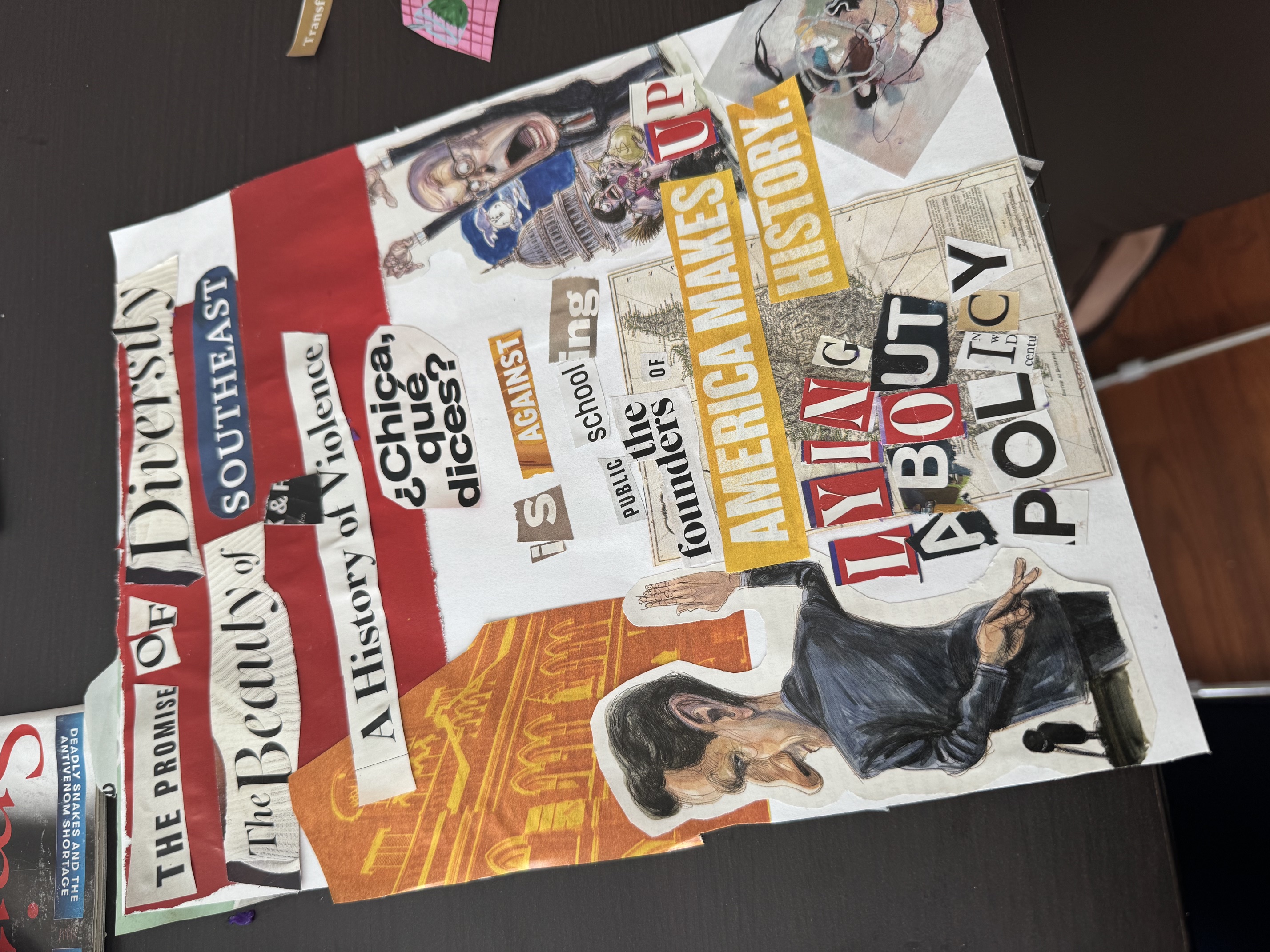

Freedom of speech has been a measurement of the strength of our rights and democracy in the United States over the past 250 years. Yet, as this country celebrates its founding, efforts to criminalize free speech have increasingly targeted zines and community organizing. According to Brit Schulte, who studies zine history as a doctoral candidate in Art History at the University of Texas at Austin, a society can be gauged by the threat of criminalization and loss of privileges and liberties that impact our access to information. The right to free speech also includes creating our own information and circulating ideas, Schulte goes on to add.
In North Texas, 22 defendants have been convicted on charges related to domestic terrorism after a noise demonstration, which is a peaceful form of protest called cacerolazo, which typically involves banging on pots and pans. Canadian writer Stefan Christoff wrote for Beautiful Trouble, “a cacerolazo is driven by shared discontent; the tactic is fundamentally participatory and democratic.” The participants in the noise demonstration were drawing attention to the conditions inside of Prairieland Detention Center.
The demonstration was held outside of the facility on July 4th, 2025, where an officer-involved shooting occurred. Several of the defendants, including people who were not on site at the protest, have been sentenced to decades in prison. The prosecution argued that the ownership and transport of independently produced pamphlets and booklets, such as zines (pronounced “zeen”), was evidence of supplying material support for terrorism.
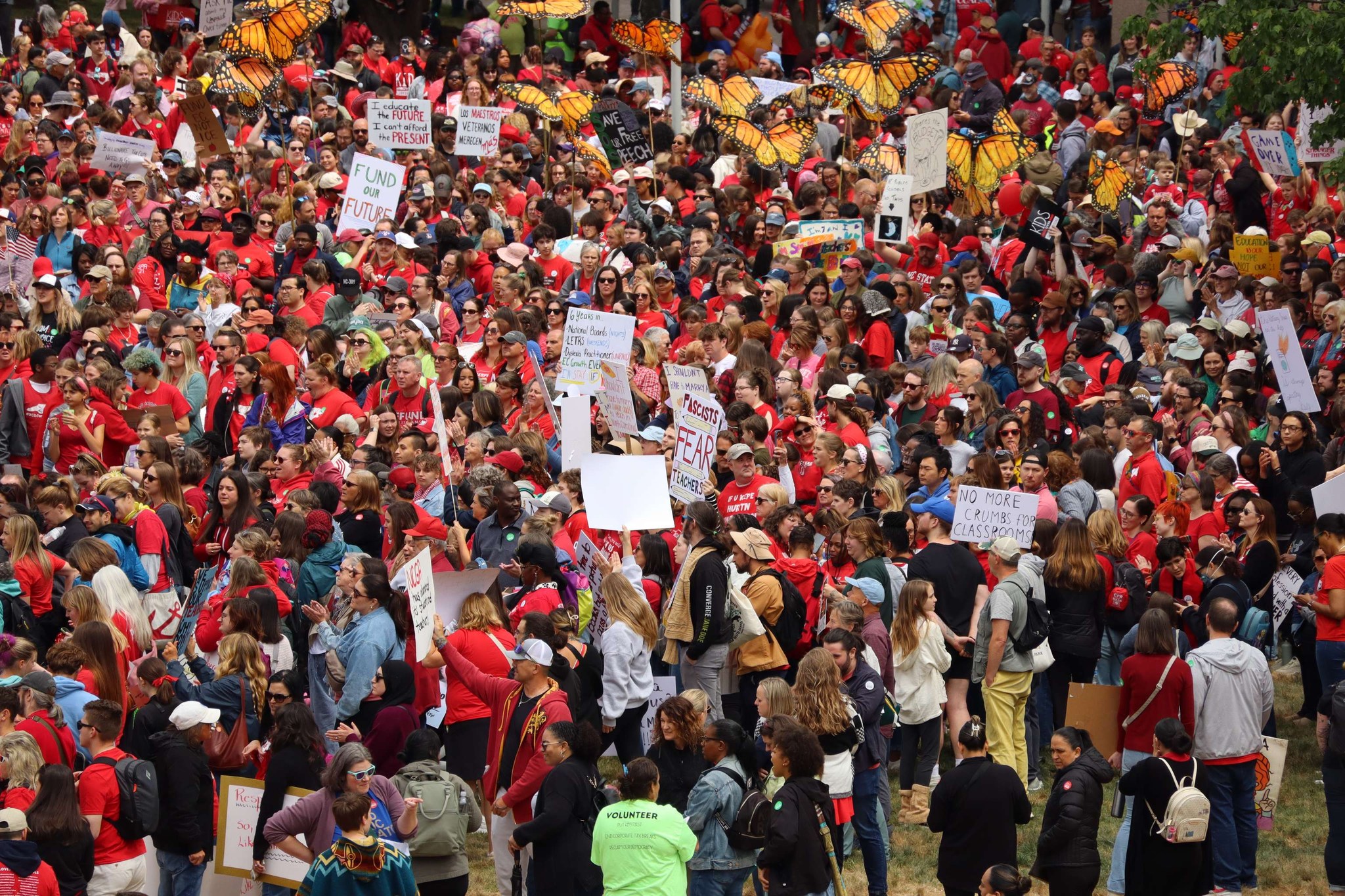
The convictions of Prairieland defendants are part of a broader strategy to scare activists, artists, and supporters from opposing ICE. “They’re really trying to separate those of us who have yet to feel this level of repression and criminalization from these comrades who were going about normal acts of solidarity and resistance,” said Schulte. In May 2026, charges were dropped against all defendants who were brutally arrested last fall at the Broadview ICE Detention Center in suburban Chicago, including a congressional candidate. Another case in Minneapolis continues to threaten the freedom of neighbors who mobilized against immigration raids earlier this year.
Empowering Communities into Action
Zines continue the legacy of self-publishing and sharing ideas that push against dominant narratives. In 1892, Ida B. Wells created Southern Horrors: Lynch Law in All Its Phases, a pamphlet that she distributed on the street to galvanize anti-lynching efforts. Zine makers like Monica Trinidad consider Wells’ project as part of the roots of zine history.
In 2025, Pilsen Arts Community House's downloadable zine titled “Form a Crowd Stay Loud” made its way throughout communities in the wake of immigration raids terrorizing schools and neighborhoods. Over the past year, individuals, organizations and local businesses have printed thousands of copies along with whistles for free. The zine is simple with a black-and-white design that provides instructions to use whistles and mobilize neighbors when ICE is targeting people in the community.
That accessibility and generosity demonstrate how community is the heart of zine culture. For Monica Trinidad, a Chicago-based artist with Justseeds Collective, zine making is rooted in accessibility. “The algorithms decide what gets seen and what gets buried. Making zines to disseminate in our communities and beyond ensures that our lived experiences get documented. No paywall, algorithm, or in this case [of Prairieland], criminalization can stop that from happening,” said Trinidad.
Copies of "Form a Crowd Stay Loud" zines can be found in thousands of homes, community centers, libraries, and cars across the country. This pocket-sized zine now could land an activist or concerned neighbor in custody of law enforcement and labeled as a domestic threat.
"Zines prepare our hearts and our minds for what's to come and for what we're facing now. Zines from 20 years to yesterday can do this. And zines that are being made tomorrow," said Schulte. For them, the legacy of zines will continue to persist.
Building a Bigger We
Trinidad was introduced to the power of zines as an organizing tool through Brown and Proud Press, a Latinx zine collective that she co-founded after making her first zine. In 2013, Brown and Proud Press released “On Confronting Anti-Blackness in Our Communities,” a split zine addressing anti-Blackness in their communities. The zine was created in collaboration with MOONROOT, a Philadelphia-based collective of Asian and Pacific Islander women, trans, non-binary and/or genderqueer people.
The zine evolved into a working group called Brown People for Black Power who mobilized people for Black Lives Matter protests in Chicago in 2014. Their efforts were described by Trinidad as, "a stepping stone towards further action and changing the conditions of our city." An idea once crafted by friends chatting around a kitchen table became part of organizing history.
The fear-mongering by the current administration is decades in the making and arguably a direct response to the frustration that led millions of people into the streets in 2020 to proclaim that Black lives matter.
For decades, zines have been a pathway into joining liberation movements that otherwise felt inaccessible. "There have been people that have been impacted by our oppressive governments that have invisibilized us, left us behind and erased us. It's not just this moment," said Trinidad. Many people who feel ignored by powerful institutions use their craft skills to make and distribute zines in their local communities.
“We’re discouraged to think about the things that move us to feel deeply about the world and those capacities that we have to hold all the beauty and all the terror that world has in it,” said Schulte.
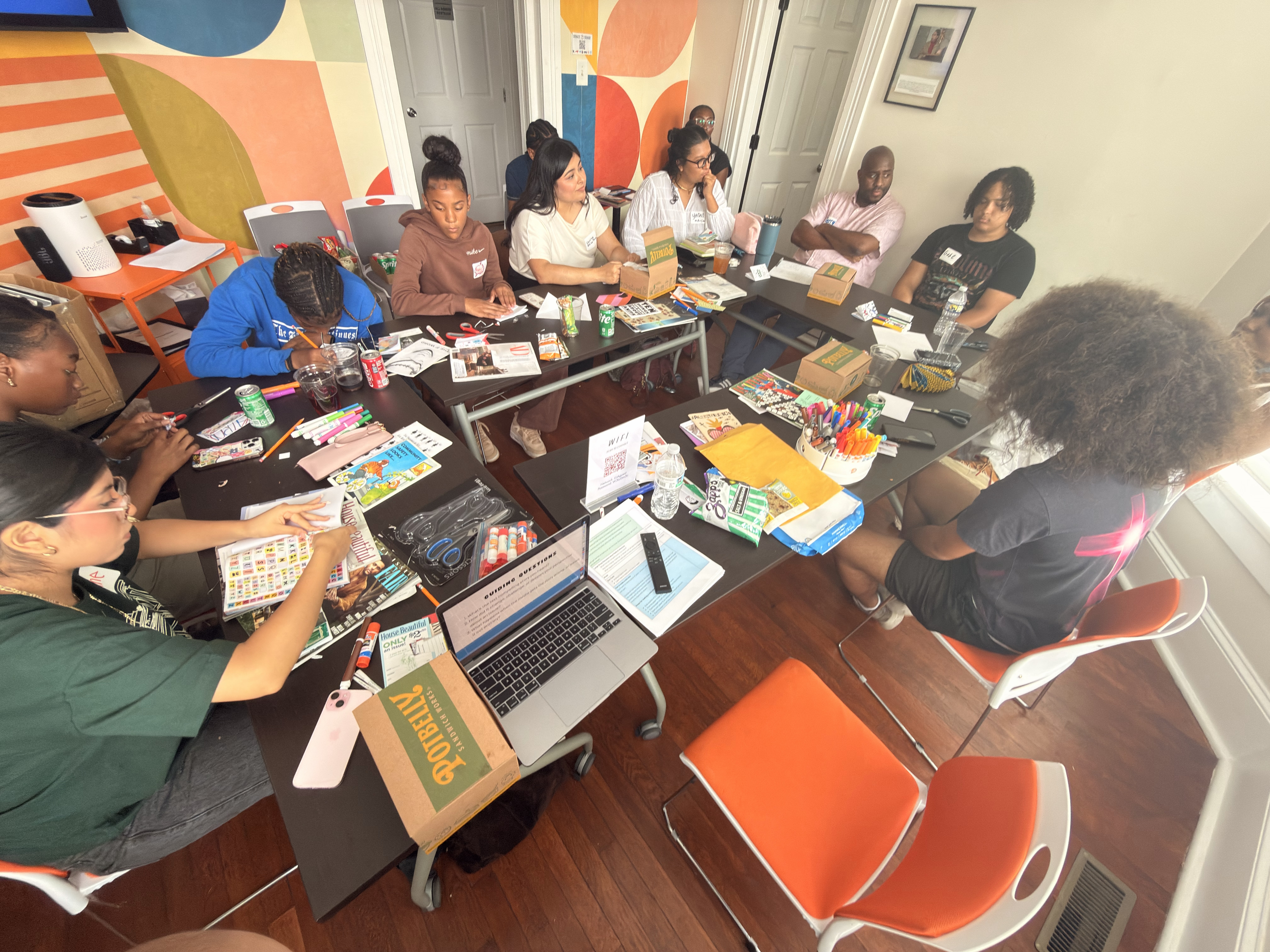
Zines are a way to show people how to enter our movements through storytelling. Personal connections can be built through creating and trading zines, and in turn, become an avenue for welcoming people to broaden their imaginations.
Finding Your People With Zines
As Eric Ward, Race Forward’s Executive Vice President, tells us, "Political repression works by making people freeze into inaction before it tries to make them silent. A real inclusive democracy emerges when we refuse."
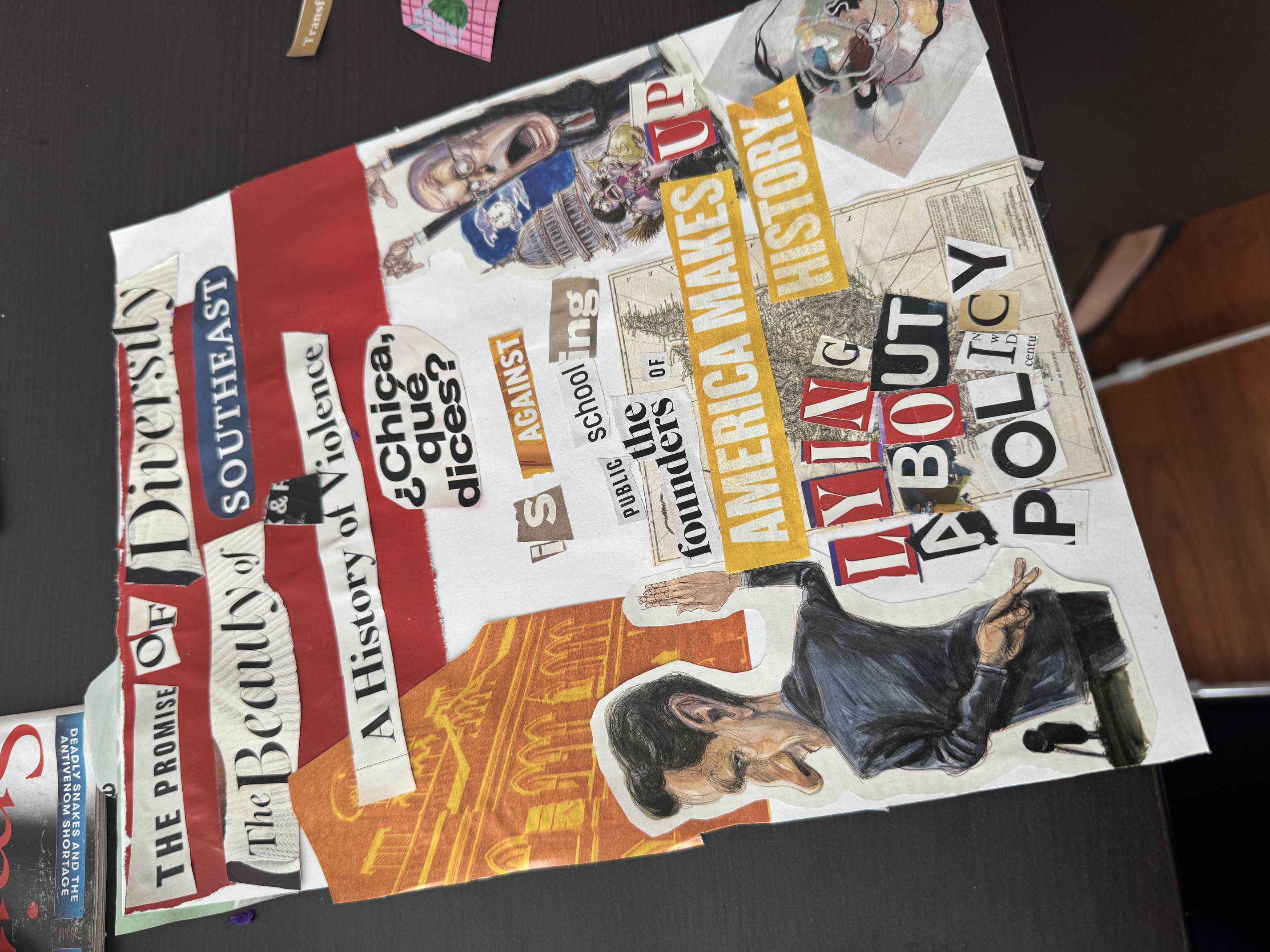
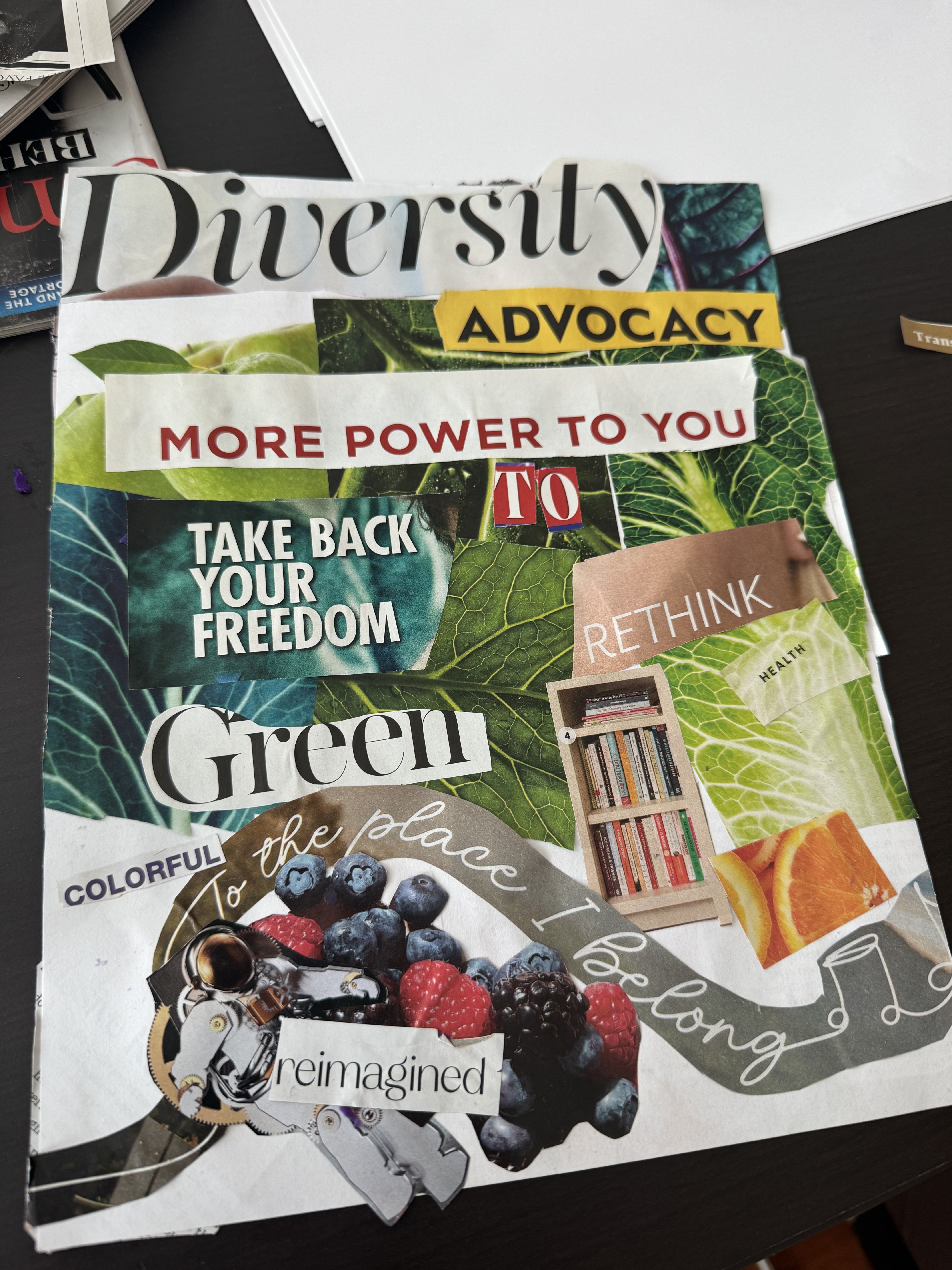
Democracy requires everyone in this country to face complex truths and embrace the history that fascism desperately tries to hide. As censorship runs rampant, zines remain a lifeline for many of our communities. “Making a zine is an act of creative defiance,” said Trinidad. We need each other’s stories and the stories of the past. Trinidad and Schulte urge people to make zines whether it’s to share history or personal stories. Zines challenge popular narratives that do not represent our communities’ values and push against dominant, mainstream rhetoric. Most importantly, zines connect people who care with actions to take.
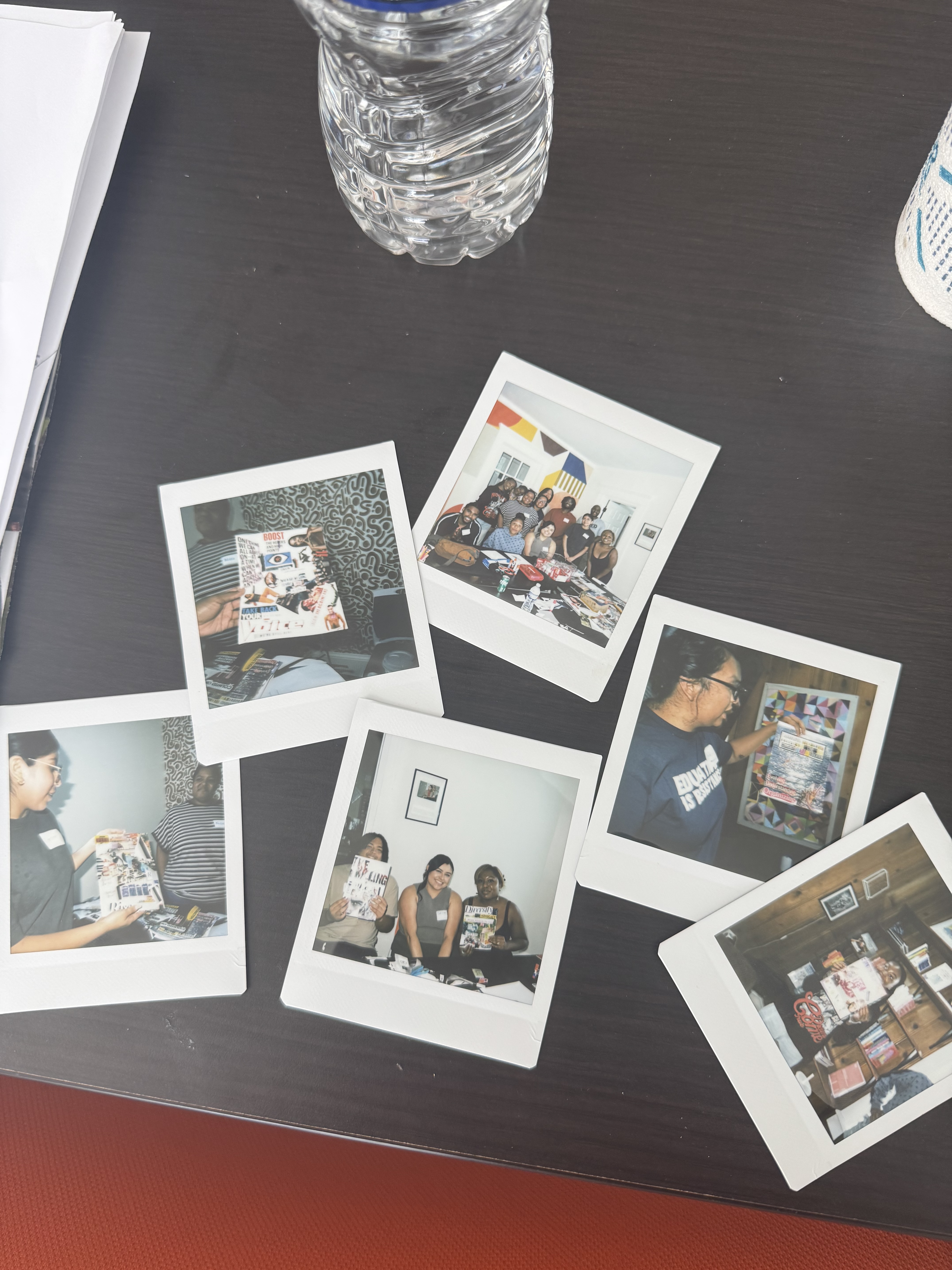
"Don't underestimate the power of finding your people, making [zines] together, building at that pace of making. Then seeing where that leads you in struggle," said Schulte. "When you find your people and find collective power through making, it really is an unstoppable force that you uncover and you unlock within yourself."