


The Case for Co-Governance: Our Foundational Argument
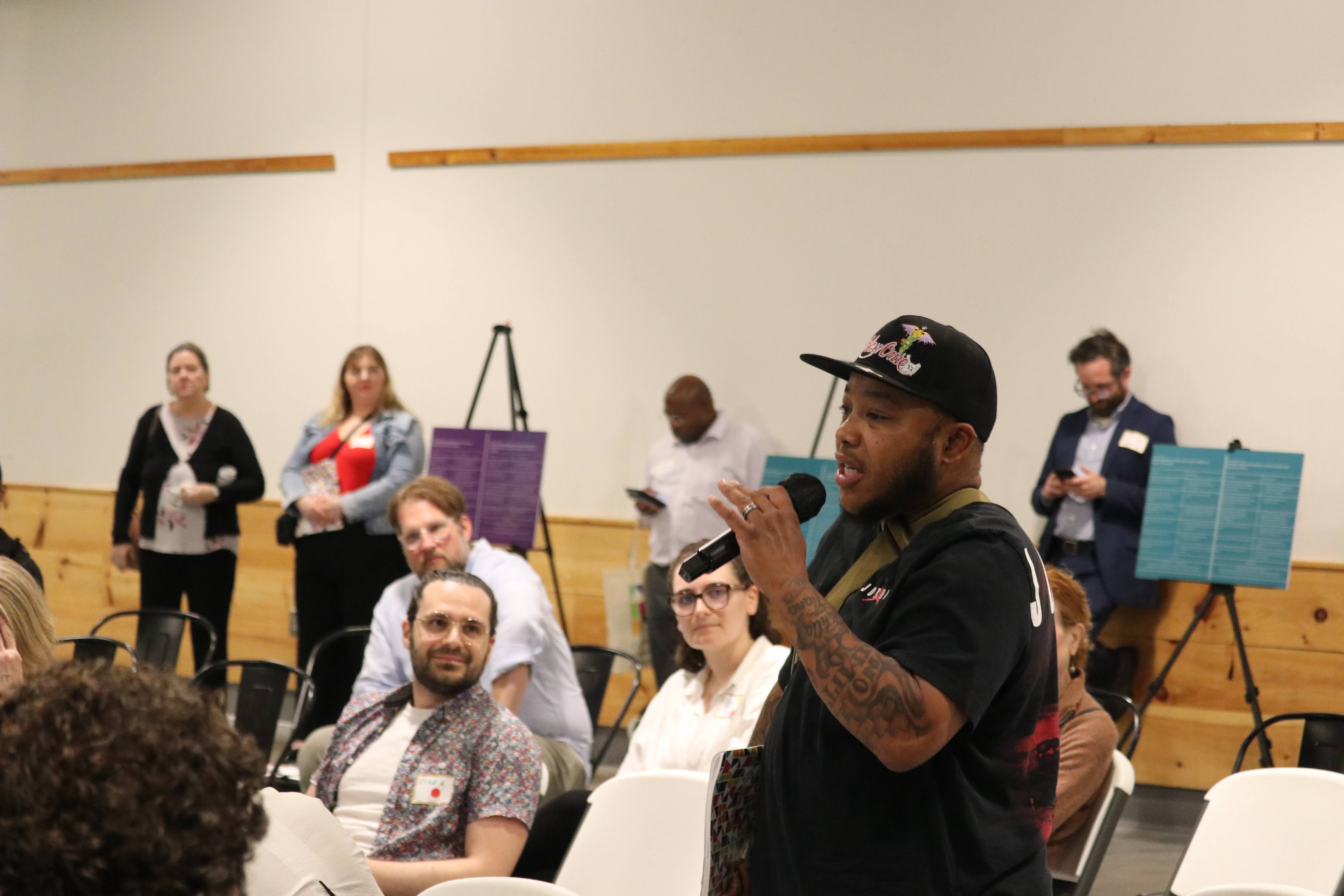
We believe co-governance is essential to any blueprint for building a stronger democracy for our future, but we want you to be the judge! Read our foundational argument and decide for yourself if we’re making the case.
As we reflect on the 250th anniversary of the United States and consider how to address the challenges of our future, co-governance must be an essential element of any blueprint for the road ahead. Historic levels of distrust, income inequality, and concentrations of power among the few are leading millions to wonder if our democracy can work to meet the needs of their lives.
The question is not simply how to defend and reclaim American democracy, but how to build new strategies and structures that can truly honor its unfulfilled promise of “life, liberty, and the pursuit of happiness” for all?
Co-governance is a key component of this answer. It rejects the idea that policy or procedural adjustments alone will be enough to build the kind of civic trust a strong democracy needs. Instead, co-governance advances a fundamentally different theory by focusing on how democratic power is organized and exercised. It promotes shared power that centers those most harmed by the current structures and systems, builds civic capacity across lines of difference, and produces more relevant solutions grounded in the knowledge and needs of the people.
What is Co-Governance?
Co-governance is a collection of participatory models and practices in which government and communities work together through formal and informal structures to make collective policy decisions, co-create programs to meet community needs, and make sure those policies and programs are implemented effectively. With co-governance, community members are not solely asked for feedback or input after decisions are made. They are partners in defining problems, setting priorties, allocating resources, and establishing systems of accountability.
When rooted in racial justice, co-governance centers a systemic analysis of the problem and its racialized root causes and seeks to grow the leadership and power of people who are most harmed by structural racism and systems of inequity.
Co-governance can take many forms across contexts, including executive and legislative branches of government. A few familiar examples include:
Civic Assemblies - Community bodies, in partnership with government, come together to use structured processes to define community needs and co-design solutions, policies, and/or budget plans.
Participatory Budgeting - Residents directly decide, with binding authority, how a portion of public funds are spent in their communities to meet local needs.
Community Oversight Boards - Independent bodies of community members authorized to monitor government agencies and ensure institutional accountability and transparency.
Co-enforcement Models - Strategies that put workers at the center of enforcing workplace laws, bringing public agencies and worker/community-led organizations together to monitor and enforce low-wage workers’ rights.
What is the Case for Co-governance?
1. Co-Governance Combats Authoritarianism
Authoritarianism is enabled by an environment that erodes the relationships, institutions, and shared commitments that democratic societies rely on. Co-governance is a direct antidote to this unraveling. By creating structured opportunities for communities to engage in civic solutioning, deepen political and systems knowledge, build durable and accountable organizations, and strengthen their commitment to mutuality, co-governance replenishes the social infrastructure that democracy depends on.
2. Co-Governance Builds Civic Trust
Millions of people, particularly those who have been historically excluded and harmed, have concluded that government cannot and will not work for people like them. Repair of this kind of broken trust requires more than changed outcomes; it requires a change in the way we get to those outcomes. Co-governance offers a different pathway by honoring the social contract more fully.
3. Co-Governance Helps Communities of Color Build Power
Racial equity is not achievable through representation alone. Co-governance can create structures that bring more people impacted by structural racism into genuine partnership with governing institutions as co-architects of policy and practice solutions, not token voices.
4. Co-Governance Delivers Better Outcomes for Everyone
Co-governance works practically, measurably, and durably. When communities are genuine partners in designing and implementing policy, the results are more responsive, effective, and resilient than what top-down governance produces alone. Co-governance helps institutional leaders and public agencies develop stronger policies, make better budget choices, improve implementation, and course-correct when things don’t go as planned.
5. Co-Governance is Proven: History and Practice Show it Works
Co-governance is not a utopian aspiration. It has deep roots in human political history and is being practiced with measurable success in contexts around the world and across the United States. Indigenous governance traditions have long embodied principles of shared decision-making and relational accountability that contemporary co-governance frameworks draw upon and must honor. Co-governance is not one-size-fits-all. Its forms must be adapted to the specific contexts, histories, and communities where it takes root.
6. Co-Governance Builds Legitimacy by Making Democracy Something You Do, Not Just Something You Receive
When people feel that the political system is not designed for them and believe the outcome is determined before they arrive, they disengage. Research and lived experience consistently confirm that people who have experienced this kind of civic trauma do not simply need to see different results. They need to experience a different process to know that the change is real.
Co-governance creates visible, recurring evidence that participation yields real influence. Over time, this transforms political identity. People move from understanding themselves as subjects acted upon by government to citizens who act, shape, and share ownership of what the nation produces.
Why Does this Case Matter?
This is only a starting point. These arguments are the beginning of a collective conversation and a call to action. This summer, we are excited to share that voices from across the field will join us in continued conversation to build the case and we are inviting you to follow the responses from national and local partners as part of our narrative series.
But to truly build a blueprint for all of us, we need you! How does this case resonate with you personally? How could it help address the challenges and opportunities you see in your own community? Talk about it, write about it, and build with us. The future of our democracy depends on it!
About the Co-Authors:
Race Forward’s Place, Policy and Power aims to bridge the efforts of community and public institutions to produce collaborative governing power that is strong enough to deliver on the promise of a multiracial democracy.
Partners for Dignity & Rights works to build a broad movement for economic and social rights, including health, housing, education and work with dignity. Based on the principle that fundamental human needs create human rights obligations on the part of the government and private sector, Partners for Dignity & Rights advocates for public policies that guarantee the universal and equitable fulfillment of these rights in the United States.